

Common Conditions We See as Osteopaths
By Carien Boshoff
Most people who attend osteopathy clinics are managing everyday musculoskeletal pain that can
affect work, sleep, exercise, parenting, and general day-to-day function. Below are some of the
most common presentations seen in practice.
1. Low Back Pain
Low back pain is one of the most common reasons people seek care for musculoskeletal
concerns.
May present as:
• Dull ache with sitting or standing
• Sharp pain with bending, lifting or twisting
• Stiffness or tightness in the lower back
• Fluctuating symptoms without a clear pattern
In many cases, low back pain is classified as non-specific, meaning there is no single identifiable
tissue or structure responsible for the pain. Instead, it is often influenced by a combination of
factors such as changes in load or activity levels, muscle and joint sensitivity, stress, sleep,
reduced tolerance to movement, or prolonged positions.
Management commonly focuses on staying active, exercise-based care, and improving strength
and confidence with movement.
2. Neck Pain
Common in people who spend long periods working at desks or using screens.
May present as:
• Stiffness and reduced movement
• Upper shoulder tightness
• Pain with sustained positions
• Headaches linked with neck tension
Neck pain is typically multifactorial and is not solely caused by posture. Instead, it often relates to
how well the neck tolerates load and sustained positions over time. Management often includes
education, exercise, and manual therapy.

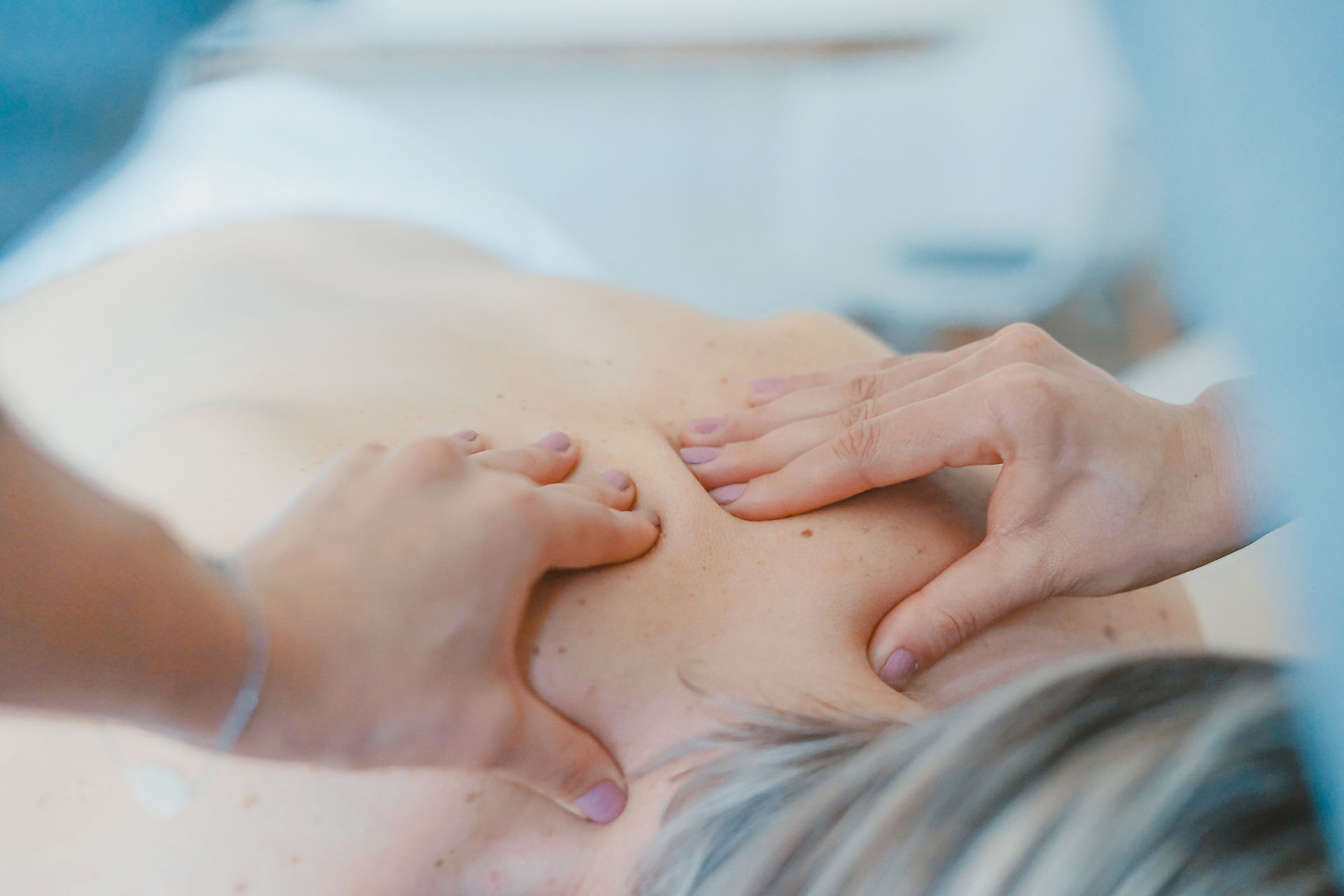

3. Headaches (Tension Type & Cervicogenic)
Not all headaches originate from the head itself.
Two common types seen in the clinic include:
Tension-type headaches: Often associated with stress, muscle tension, jaw clenching, and fatigue.
Cervicogenic headaches: Headaches where symptoms may be referred from the neck and
surrounding structures.
Common features:
• Band-like pressure sensation
• Pain from the base of the skull
• Association with stress or prolonged screen use
Management may include addressing neck and upper back mobility, muscular tension, breathing
patterns and contributing lifestyle or load factors where relevant.
4. Shoulder Pain (Rotator Cuff Related)
Shoulder pain is common in both active individuals and those with more sedentary work patterns.
May present as:
• Pain with overhead or behind-the-back movement
• Discomfort when lying on the shoulder
• Weakness or fatigue with use
• Reduced range of motion
Many shoulder presentations involve the rotator cuff and surrounding structures, which can
become sensitive when load exceeds current capacity (for example, changes in exercise load,
repetitive tasks or prolonged irritation after injury).
5. Jaw Pain (Temporomandibular Joint Dysfunction)
Jaw-related pain is more common than many people realise and is often influenced by a
combination of factors.
May present as:
• Clicking or popping
• Pain with chewing or speaking
• Facial or temple tension
• Reduced jaw opening
Common contributors include clenching, stress, and neck involvement.
Management may involve addressing the jaw muscles, neck function, and contributing tension
patterns in the head and neck region, with the aim of reducing muscular overload and improving
function.


6. Sports & Activity Related Injuries
We commonly see musculoskeletal injuries in people who are active in sport, recreation, or gym
based exercise, including:
• Muscle strains
• Tendinopathies
• Ligament sprains
• Overuse-related pain
Often linked to load exceeding tissue capacity, especially with sudden changes in activity.
Rehabilitation focuses on gradual strengthening, progressive return to activity, and load
management.
A key concept in these presentations is load management. Injuries may occur when the load
placed on tissues exceeds their current capacity, particularly when activity levels change quickly or
recovery is limited.
7. Osteoarthritis
Osteoarthritis is a common condition affecting joints and is now understood as a whole joint
process involving cartilage, bone, and surrounding tissues, influenced by factors such as load,
movement and individual variability.
May present as:
• Morning stiffness
• Activity-related aching
• Reduced mobility
• Flare-ups with increased load
Current best practice focuses on maintaining appropriate movement and strength, rather than
prolonged rest. Exercise and activity modification are commonly used to support joint function
and symptom management.
What Osteopaths Do in Practice
While each person’s presentation is unique, osteopathic care commonly involves:
• Assessment of movement, function, and contributing factors
• Education about pain, load, and recovery
• Manual therapy techniques to support movement and reduce pain sensitivity
• Exercise-based strategies tailored to individual capacity
• Support for long-term self-management and prevention
The focus is not only on the area of pain, but also on how the body is coping with everyday life
demands such as work, stress, sleep, and activity levels.
A Final Thought
Musculoskeletal pain is often influenced by a combination of physical, lifestyle and load-related
factors. In many cases, it does not necessarily indicate tissue damage, but rather a temporary
reduction in how well the body is tolerating load.
With appropriate assessment, education, and a combination of manual therapy and movement
based care, management may help support improvements in movement, function and quality of life.


References (APA 7th)
Blanpied, P. R., et al. (2017). Neck Pain Clinical Practice Guidelines. Journal of Orthopaedic &
Sports Physical Therapy.
Burbank, K. M., et al. (2016). Chronic shoulder pain and rotator cuff pathology. American Family
Physician.
Cook, J. L., & Purdam, C. R. (2016). Is tendon pathology a continuum? British Journal of Sports
Medicine.
Hartvigsen, J., et al. (2018). Low back pain series. The Lancet.
Hunter, D. J., & Bierma-Zeinstra, S. (2019). Osteoarthritis management. The Lancet.
NICE (2016). Low back pain and sciatica in over 16s: assessment and management.
NICE (2022). Osteoarthritis management guideline.
Schiffman, E., et al. (2016). Diagnostic criteria for temporomandibular disorders. Journal of Oral &
Facial Pain and Headache.
World Health Organization (2023). WHO guideline for the non-surgical management of chronic
primary low back pain.
Comments